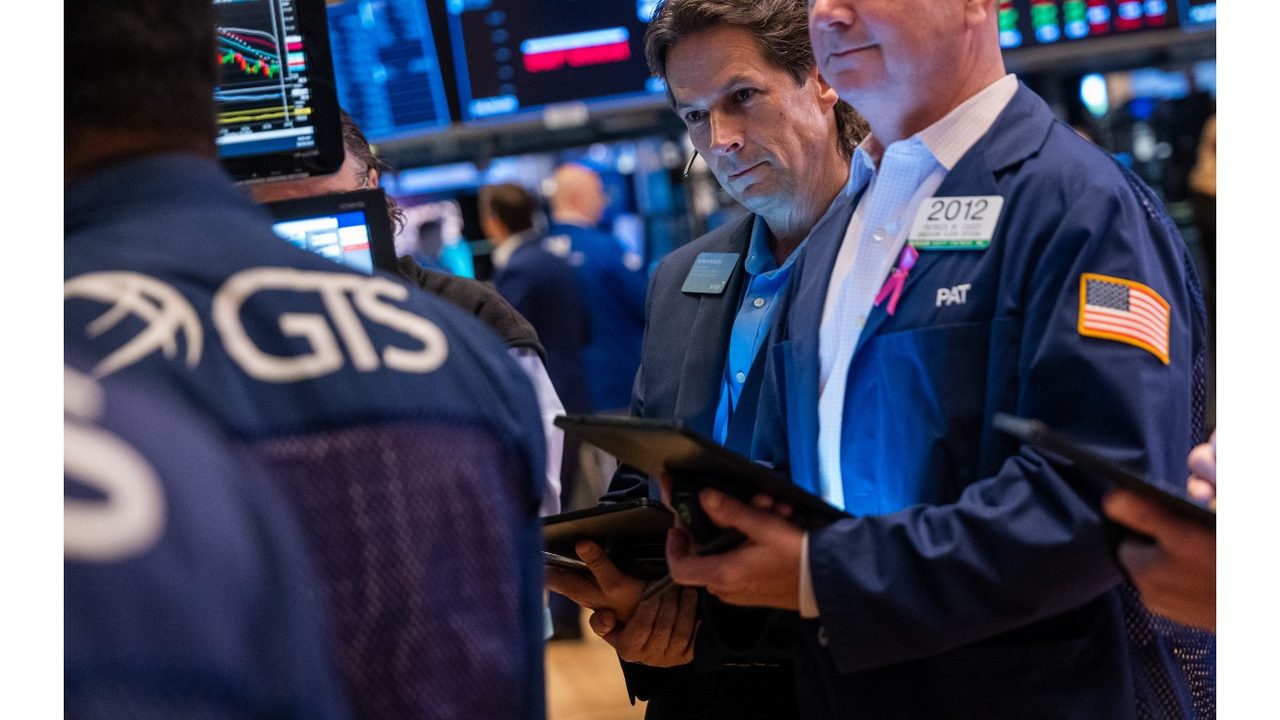
Asian Markets Rise Amid AI Chip Demand
Increased demand for AI chips drives Asian market surge despite Wall Street's retreat.
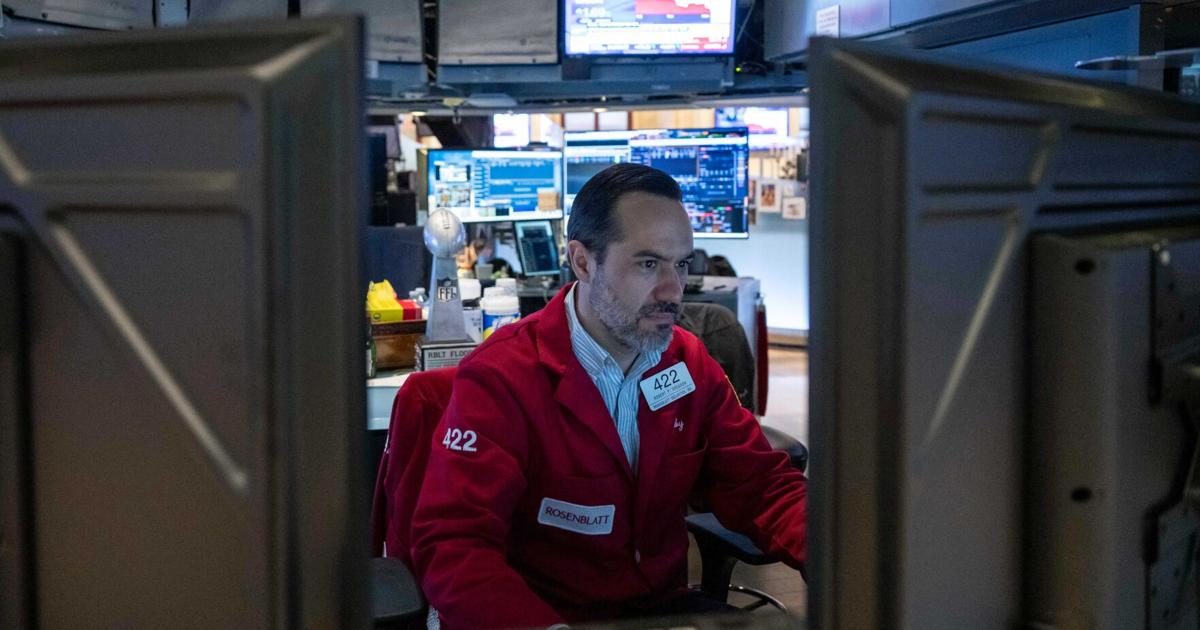
Asian markets surged on Tuesday as investors sought to capitalize on increased demand for AI chips, despite a retreat in Wall Street's performance driven by disappointing inflation data. The yields on major financial markets were influenced by a mix of factors, including the US Federal Reserve's potential interest rate hike and statements from world leaders on ongoing conflicts. In a statement released late Monday, US President Donald Trump said the war in Iran was 'effectively over', which led to a decline in oil prices.
The impact of this shift in market sentiment is already being felt, with Asian markets rising as a result of increased demand for AI chips. The yield on the 10-year Treasury jumped to 4.99%, from 4.88% late Monday, and South Korea's financial markets were affected by this change.
The rise in the yield on the 10-year Treasury has significant implications for mortgage and loan rates, with the bond market playing a notable role in setting these rates. As a result, traders are closely monitoring the Federal Reserve's next meeting, which is scheduled to take place in December, although the exact interest rate hike amount and its impact on the economy remain uncertain.
Oil prices also fell 1.2% to $91.49 after President Trump's statement, with Brent crude dropping to a two-month low. This decline in oil prices has contributed to a rise in Asian markets, including Taiwan's Taiex benchmark, which rose 3.6%. The euro and Japanese yen were also affected by the shift in market sentiment, with the US dollar rising to 158.88 Japanese yen.
The decline in inflation data has sparked concerns among economists that the Federal Reserve may need to reconsider its interest rate hike plans. With this in mind, traders are watching the reaction of financial markets closely, particularly in Germany and Britain, where the DAX and FTSE 100 indices rose on Tuesday due to a fall in inflation rates.
In contrast, Wall Street's performance was muted by disappointing inflation data, with the S&P 500 future rising only 0.6% and the Dow Jones Industrial Average gaining 0.2%. The yield on the 10-year Treasury is now at its highest level since July, making it more expensive for borrowers to access funding.
The impact of these market fluctuations will be felt across various sectors, including the technology and finance industries. As investors continue to navigate this complex economic landscape, they are likely to
As the war in Iran appears to be nearing its end, with President Trump stating that it is 'effectively over', oil prices have begun to fall as a result. The decline in oil prices, which had previously been high due to tensions in the region, has contributed to a rise in Asian markets, particularly those focused on technology and innovation like AI chips. The drop in oil prices, which fell 1.2% to $91.49, also led to a decrease in Brent crude, which dropped to a two-month low at $91.49 a barrel. This shift in market sentiment has had a ripple effect across various financial markets, with the yield on the 10-year Treasury jumping to 4.99%, from 4.88% late Monday. The impact of this increase is significant, as it will likely lead to higher mortgage and loan rates due to the bond market's influence on these rates. Traders are now closely monitoring the Federal Reserve's next meeting in December, which is scheduled for a date that has been unconfirmed as 2026, although the exact interest rate hike amount and its impact on the economy remain uncertain.
Sources this summary is based on (2)
This article was written independently from the facts reported below. Follow the links for the original reporting.