India
Supreme Court rules 24-hour magistrate deadline starts from detention to prevent prolonged detention without trial.
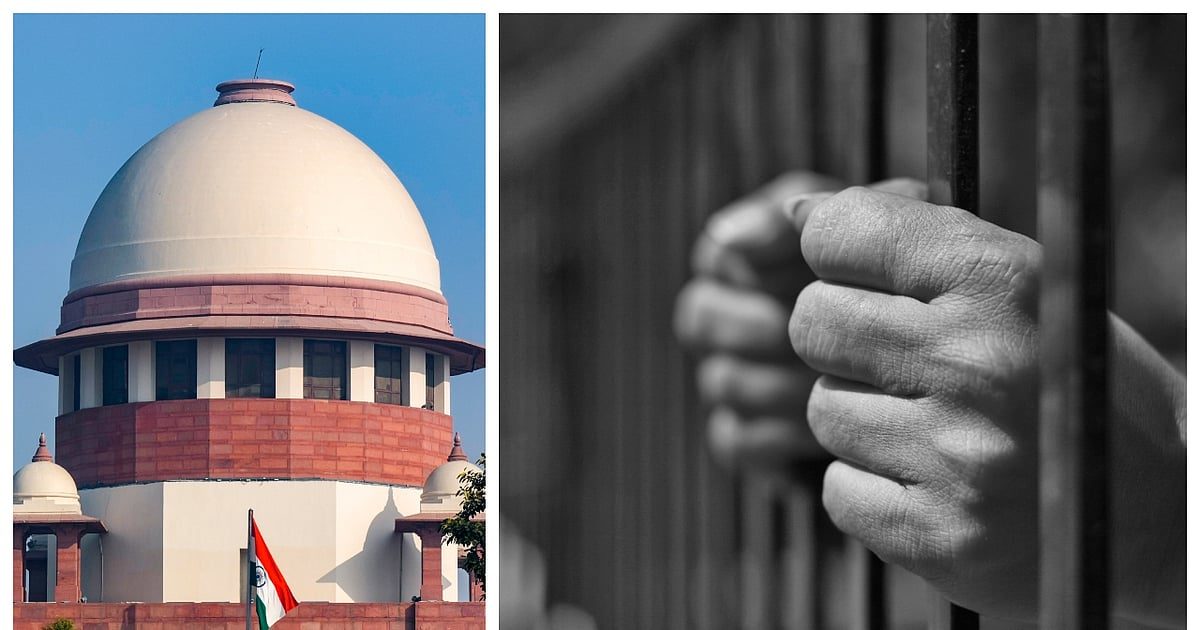
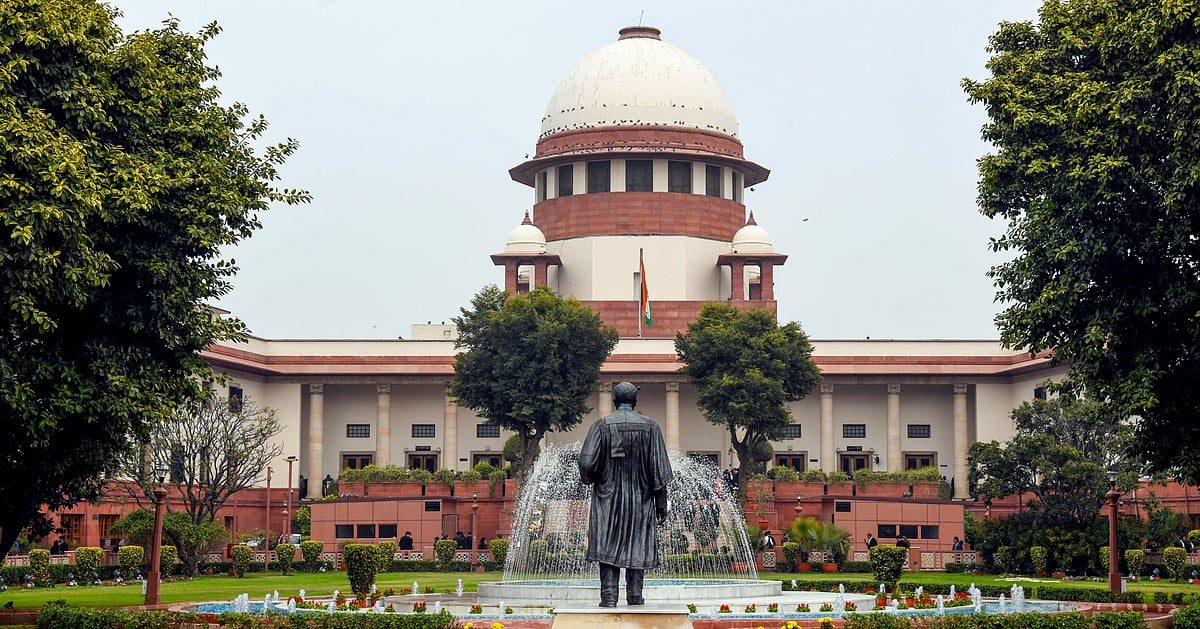
The Supreme Court of India has ruled that a 24-hour magistrate deadline starts from detention, not formal arrest, in a move aimed at preventing prolonged detention without trial. The decision was made by a bench of Justices Ujjal Bhuyan and Atul S Chandurkar while deciding appeals by four persons denied bail by the Tripura High Court in an NDPS case. In this ruling, the court has effectively abolished the distinction between 'arrest' and 'detention', stating that any artificial distinction is constitutionally unsustainable.
The ruling was made in response to appeals by four individuals denied bail by the Tripura High Court in an NDPS case. The applicants alleged that they were being detained for over 24 hours without a formal arrest, and that this prolonged detention was unfair. The Tripura High Court had upheld the decision of the lower courts, which had ordered the detainees to be held in custody until their cases could be heard. However, the Supreme Court's ruling has effectively overridden these orders, stating that any artificial distinction between 'arrest' and 'detention' is constitutionally unsustainable.
The four individuals who appealed against the Tripura High Court's decision are reportedly relieved by the Supreme Court's ruling, which they say will prevent them from being unfairly detained for extended periods. The applicants had alleged that they were being held in custody without a formal arrest, and that this prolonged detention was unfair. However, it remains unconfirmed whether these individuals will now be released immediately or if their cases will proceed as previously planned. Authorities have stated that they will need to revisit their procedures to ensure compliance with the Supreme Court's new guidelines.
The ruling has significant implications for law enforcement agencies in India, who must now ensure that detention periods do not exceed 24 hours without a formal arrest. The court's emphasis on transparency and fairness in law enforcement is likely to lead to increased scrutiny of police procedures. Detention can occur at any stage of the investigation process, but the new guidelines aim to prevent prolonged detention without trial. Authorities will need to revisit their procedures to ensure compliance with the Supreme Court's new guidelines. The decision is also expected to impact cases involving seizure under the Narcotic Drugs and Psychotropic Substances Act (NDPS), which are subject to the 24-hour custody limit. This move is seen as a step towards preventing abuse of power by law enforcement agencies. The Supreme Court's ruling has been welcomed by human rights groups, who argue that it will help prevent unfair detention practices.
Sources this summary is based on (2)
This article was written independently from the facts reported below. Follow the links for the original reporting.