New Zealand Election Ends in Stalemate
No clear winner emerges as Prime Minister Luxon leads caretaker government amid negotiations between National and Labour parties.
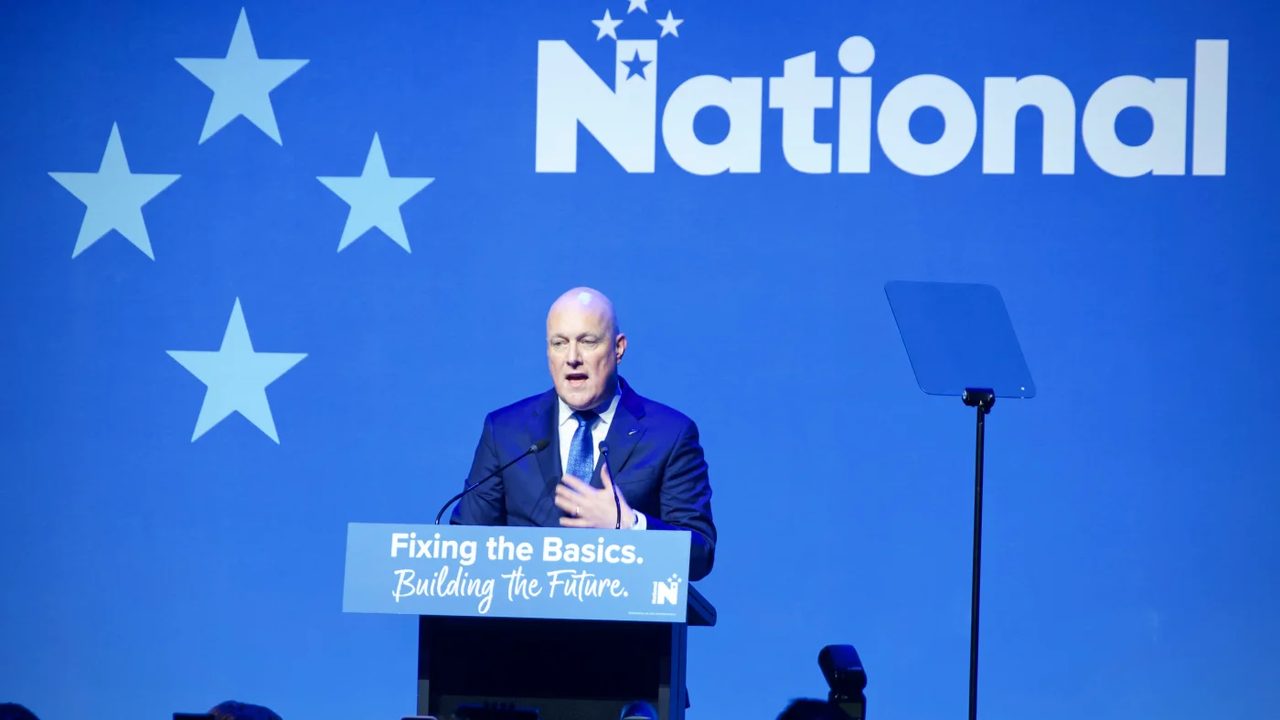
New Zealand's general election on November 7, 2026, ended with no clear winner, as Prime Minister Christopher Luxon will lead a caretaker government during negotiations between the National Party and Labour Party to form a governing majority.
The outcome is the result of a closely contested election in which the two major parties, National and Labour, were neck-and-neck in terms of vote share, with over 99% of votes counted. In contrast, minor parties secured more support than major parties, with the new party Opportunity, led by Qiulae Wong, crossing the 5% threshold to enter parliament for the first time.
The numbers are striking: National Party won 42 seats but fell short of the simple majority needed, while Labour Party, led by Chris Hipkins, secured 36 seats. The combined vote share of the two major parties was around 60%, a historically low level of support. As a result, Prime Minister Luxon has been forced to lead a caretaker government as negotiations between the National and Labour parties are expected to last for weeks.
With more than 99% of votes counted, the electoral commission announced official results on November 27th. The outcome is set to have significant implications for New Zealand's economy, which has been experiencing economic woes, and the country's politics, with voters being apathetic about both major party leaders, Luxon and Hipkins.
As the election results revealed a closely contested outcome, Prime Minister Christopher Luxon acknowledged that the National Party had not secured enough votes to form a government on its own. In a statement, Luxon vowed to work with all parties to find a solution, but it remains unclear what this means for his leadership and the future of his party. The Labour Party, meanwhile, has been tight-lipped about its strategy, with leader Chris Hipkins refusing to comment on potential coalition partners. However, sources close to the party suggest that they are exploring options with minor parties, including Opportunity, which secured seven seats in the election. Opportunity's leader, Qiulae Wong, has expressed her willingness to work with either side of the political spectrum to form a government. The prospect of a multi-party coalition is seen as a significant departure from traditional New Zealand politics, where two major parties have historically dominated the landscape. As negotiations between National and Labour are set to begin in earnest, one thing is clear: the outcome of this election will have far-reaching consequences for New Zealand's economy and its people.
As the negotiations between the National Party and Labour Party enter their critical phase, Prime Minister Christopher Luxon has acknowledged that his party's fate hangs in the balance. The Labour Party, meanwhile, is tight-lipped about its strategy, with leader Chris Hipkins refusing to comment on potential coalition partners. Sources close to the party suggest they are exploring options with minor parties, including Opportunity, which secured seven seats in the election. Opportunity's leader, Qiulae Professor Andrew Geddis has predicted that his party could determine which bloc governs. The outcome of this election will have far-reaching consequences for New Zealand's economy and its people. It remains to be seen how the negotiations will play out, but one thing is certain: the next few weeks will be crucial in shaping the future of New Zealand's politics.
Sources this summary is based on (2)
This article was written independently from the facts reported below. Follow the links for the original reporting.