US Chip Industry Expands Training Programs to Address Labor Shortage
Community colleges in Arizona are launching new semiconductor training programs to address the industry's growing labor shortage.
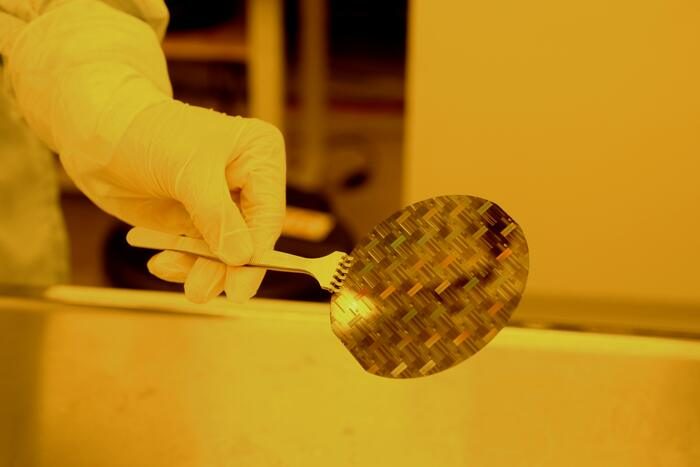
The US chip industry is facing a growing labor shortage, with community colleges in Arizona expanding semiconductor training programs to address the crisis. Community colleges are playing a key role in addressing the labor shortage in the industry, which is expected to continue growing in the coming years. The expansion of these programs is expected to increase the number of skilled workers in the field, providing stable careers for students with no background in the industry. According to recent reports, the US chip industry could face a shortage of 157,000 full-time workers by 2027.
The expansion of semiconductor training programs at community colleges in Arizona is expected to have a significant impact on addressing the labor shortage in the US chip industry. Rick Vaughn, faculty chair for STEM Initiatives at Rio Salado College, has overseen the introduction of a chip manufacturing education program using virtual reality goggles. The program aims to provide students with hands-on experience and stable careers, with around 64 students currently enrolled. When asked about the program's impact, Vaughn reported that students are gaining valuable skills and confidence in their abilities. However, it remains unclear how effective the program will be in addressing the industry's labor shortage, which is expected to reach 157,000 full-time workers by 2027.
The US chip industry's growing labor shortage has led community colleges in Arizona to rapidly expand semiconductor training programs. According to reports, the industry could face a shortage of 157,000 full-time workers by 2027. To address this crisis, community colleges are developing short-term, hands-on programs that focus on filling entry-level positions in the industry. These programs aim to provide stable careers for students with no background in the field and are being implemented at institutions such as Rio Salado College and Arizona State University's NanoFab. The faculty chair for STEM Initiatives at Rio Salado College, Rick Vaughn, is overseeing the introduction of a chip manufacturing education program using virtual reality goggles. The program has already attracted a diverse cohort of students, including a 64-year-old middle school teacher and a software developer in his 50s.
Sources this summary is based on (2)
This article was written independently from the facts reported below. Follow the links for the original reporting.