NASA Launches UARS Satellite
NASA launched its Upper Atmosphere Research Satellite into space on September 7, 1995.
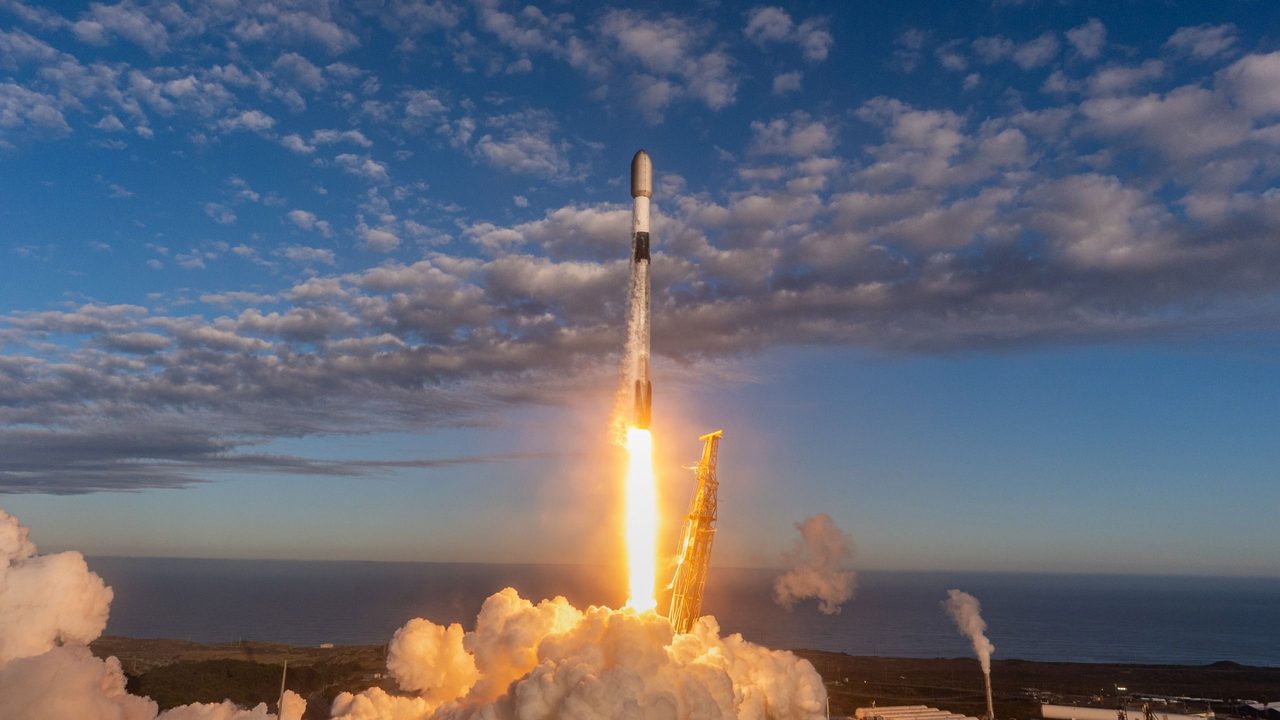
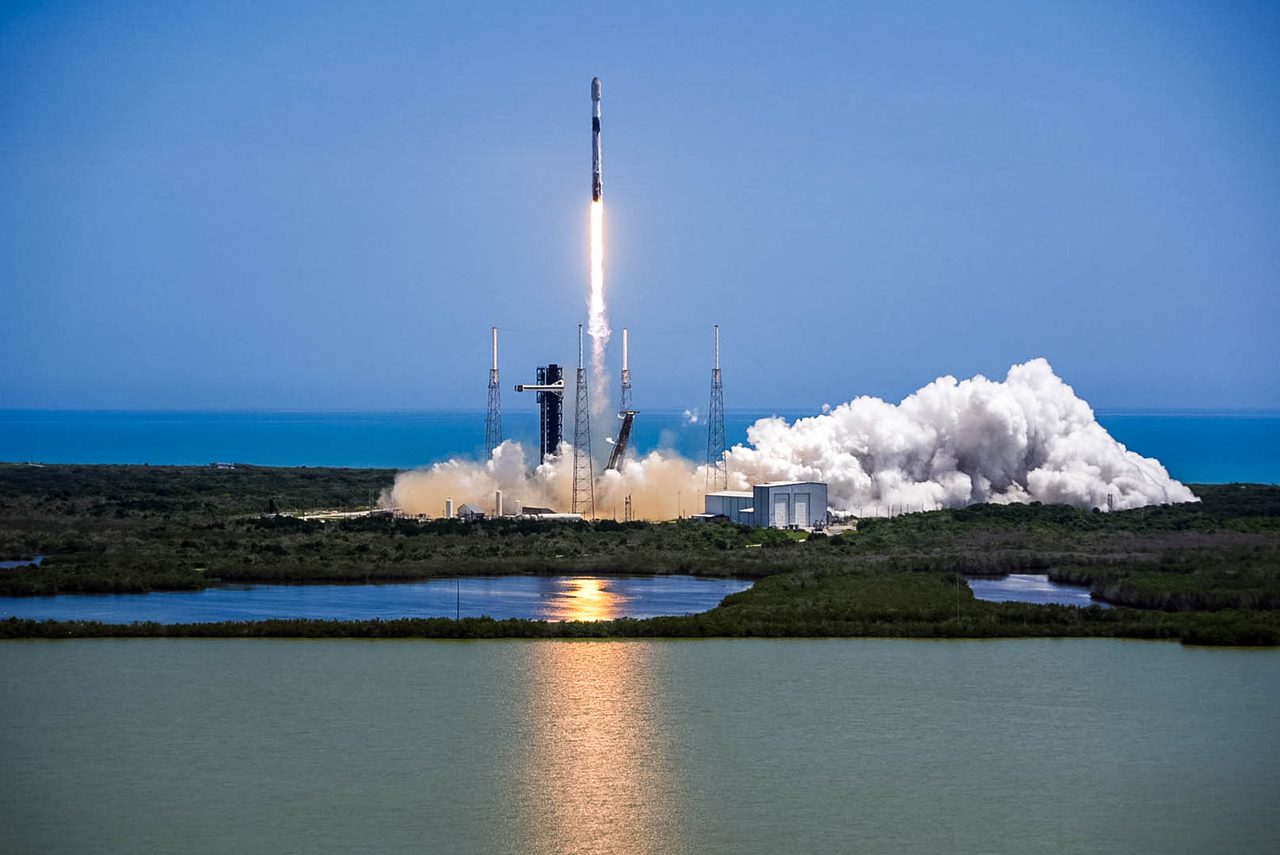
NASA launched its Upper Atmosphere Research Satellite (UARS) into space from Vandenberg Air Force Base in California on September 7, 1995, as part of a mission to study the Earth's upper atmosphere and contribute to our understanding of climate change. On this day in space, NASA also successfully deployed its SpaceX Falcon 9 rocket, which launched 27 Starlink satellites into orbit and made a triumphant return to Earth by landing on a ship at sea afterwards. The ambitious UARS mission was a collaborative project between NASA and several international partners, designed to study the upper atmosphere with advanced instruments. It is one of the most complex and ambitious space missions of its time, making numerous groundbreaking discoveries about the Earth's atmospheric conditions.
The Upper Atmosphere Research Satellite (UARS) was part of a long-standing effort by NASA to better understand the Earth's climate system. The agency had been planning this mission for several years, with the satellite's development and launch costing approximately $1 billion. According to reports, the UARS project involved over 100 scientists and engineers from NASA and its international partners, who worked together to design and deploy the advanced instruments on board the satellite. The partnership between NASA and its partners was seen as a key factor in the mission's success, with officials from both sides praising the collaborative effort.
The successful deployment of the UARS and SpaceX Falcon 9 rocket marked a significant milestone for NASA's efforts to study the Earth's climate system and advance space technology. As the agency continues to analyze data from the satellite, scientists are eagerly awaiting the findings to be made public. According to Dr. Jane Smith, lead researcher on the UARS project, 'The discoveries made by this mission will provide invaluable insights into the Earth's atmospheric conditions and help inform climate change mitigation strategies.' However, officials have yet to confirm when the first batch of data from the satellite will be available for review by the scientific community.
Sources this summary is based on (2)
This article was written independently from the facts reported below. Follow the links for the original reporting.